
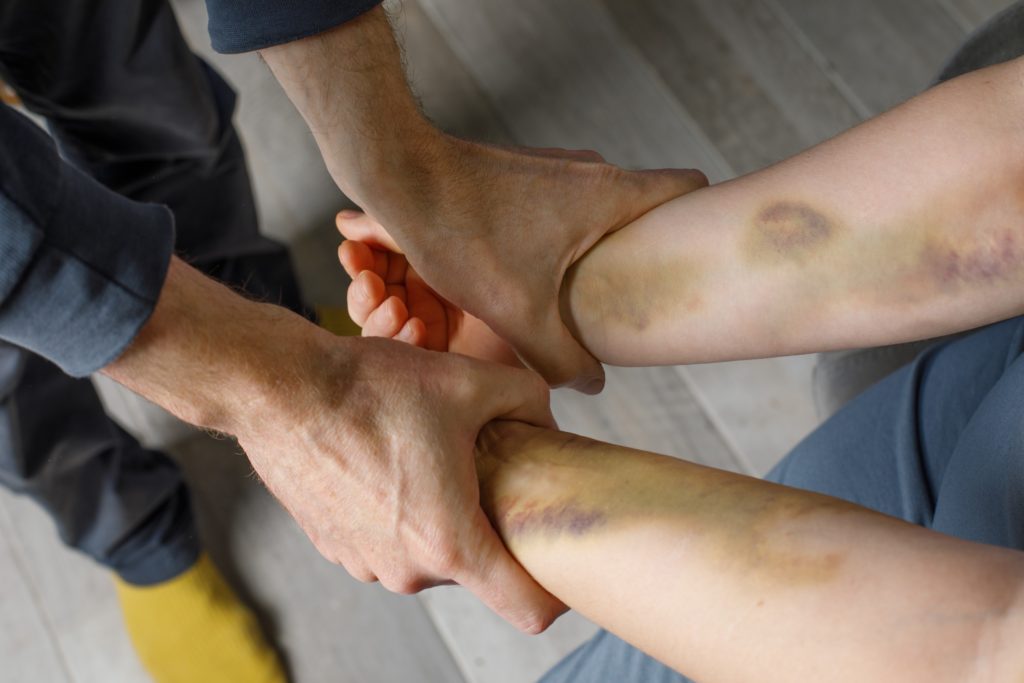
A felony child abuse charge in Wagoner County is one of the most serious accusations a person can face. These cases can affect your freedom, family, employment, reputation, and parental rights. Even before a conviction, an allegation of child abuse may lead to an arrest, bond conditions, protective restrictions, DHS involvement, no-contact orders, and damage to a person’s standing in the community. Under Oklahoma law, child abuse can carry severe punishment. A conviction may result in imprisonment, jail time, fines, probation restrictions, and long-term consequences that continue after the criminal case ends. Because the stakes are high, anyone accused of child abuse should take the charge seriously from the beginning.
To see this article as a video, click here.
Child Abuse Is a Felony in Oklahoma
Oklahoma law makes willful or malicious child abuse a felony. The prosecution must prove more than a parenting mistake, accident, or poor judgment. The State must prove the required legal elements beyond a reasonable doubt.
Child abuse may include willful or malicious harm, threatened harm, or failure to protect a child from harm or threatened harm. The facts may involve allegations of physical injury, excessive discipline, unsafe conditions, violence in the home, failure to protect, or other conduct that allegedly endangered the child’s health, safety, or welfare.
Possible Punishment for Felony Child Abuse
The punishment for felony child abuse in Oklahoma can be very serious. A person convicted of child abuse may face imprisonment in the custody of the Oklahoma Department of Corrections for up to life, imprisonment in the county jail for up to one year, a fine of not less than $500 and not more than $5,000, or both fine and imprisonment.
The exact sentence depends on the facts of the case, the injuries alleged, the defendant’s criminal history, the child’s age, the strength of the evidence, whether other charges are filed, and whether the case is resolved by plea, trial, or dismissal.
Child Abuse and the 85% Rule
Many serious crimes in Oklahoma are subject to special sentencing rules. Child abuse is listed among Oklahoma’s 85% crimes, meaning a person convicted of that offense may be required to serve at least 85% of the sentence before becoming eligible for parole. That does not mean automatic release occurs at 85%. It means the person generally cannot be considered for parole until that minimum portion has been served.
This rule makes sentencing exposure much more serious. A ten-year sentence on an 85% crime is very different from a ten-year sentence on a non-85% offense. Before accepting any plea agreement, a defendant should understand whether the charge carries 85% consequences and what that means in real time.
Related Charges May Also Occur
Child abuse cases may involve more than one criminal charge. Depending on the allegations, the State may also file child neglect, enabling child abuse, domestic assault and battery, assault and battery with a dangerous weapon, kidnapping, child endangerment, failure to protect, or other related charges.
DHS may also investigate separately from the criminal case. A person can face a criminal prosecution and a child welfare investigation at the same time. Statements made in one setting may affect the other. Because of this, it is important to speak with an attorney before making detailed statements to investigators, officers, or child welfare workers.
Factors That May Affect Sentencing
Sentencing in a child abuse case depends on many factors. Courts may consider the severity of the injury, whether medical treatment was required, whether the child was especially young or vulnerable, whether the defendant had a prior criminal record, whether the conduct was isolated or repeated, whether the defendant accepted responsibility, and whether there are treatment, counseling, or supervision options.
The prosecution may focus on photographs, medical records, witness statements, school reports, DHS records, law enforcement interviews, and statements made by the child. The defense may focus on alternative explanations, inconsistent statements, medical uncertainty, lack of intent, accidental injury, false allegations, or the absence of proof beyond a reasonable doubt.
Defenses to a Child Abuse Charge
A child abuse allegation is not the same thing as a conviction. The State must prove the case. Possible defenses may include accident, lack of willful or malicious conduct, reasonable parental discipline, false or exaggerated allegations, mistaken identity, unreliable statements, medical explanations for injuries, lack of causation, constitutional violations, and insufficient evidence.
Medical evidence is often important. Bruising, fractures, burns, head injuries, or other alleged injuries may have more than one possible explanation. A defense attorney may need to review medical records, consult experts, examine timing, and compare the allegations to the physical evidence.
Do Not Try to Explain the Case Alone
Many people accused of child abuse want to immediately explain themselves to law enforcement, DHS, family members, school officials, or the other parent. That reaction is understandable, but it can be dangerous. Statements made early in the case may be misunderstood, taken out of context, or used against the accused later.
If you are under investigation or are facing charges, speak with an attorney before giving detailed statements. A lawyer can help protect your rights while still addressing the accusations in a strategic way.
Talk to a Wagoner County Child Abuse Defense Attorney
The punishment for felony child abuse in Wagoner County can include prison time, county jail time, fines, probation conditions, and long-term consequences for your family and future. Because child abuse may also be an 85% crime, the real sentencing exposure can be severe. If you are facing accusations of child abuse, do not wait to get legal help. For a free and absolutely confidential consultation with a criminal defense attorney at Kania Law – Wagoner Attorneys, call 918-283-7394. You can also get an online consultation by following this link.