
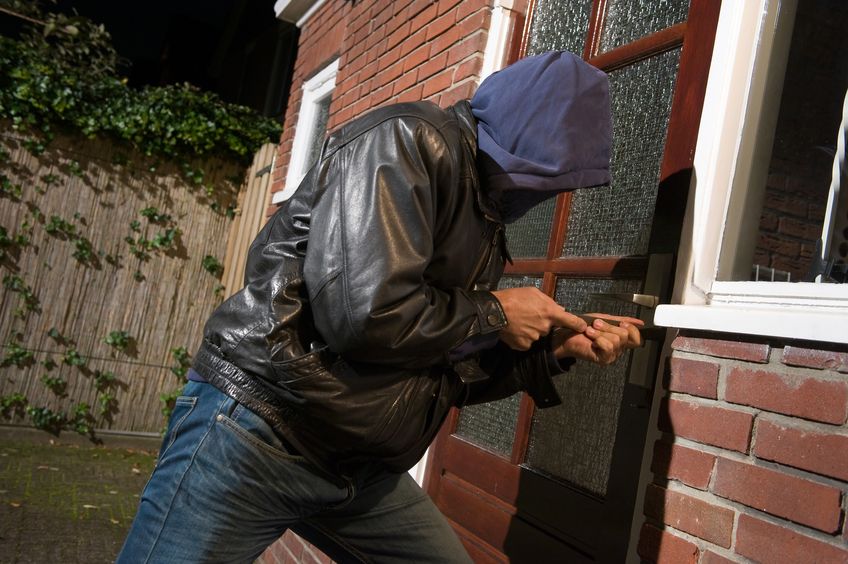
A trespassing charge in Wagoner County may sound minor compared to other criminal offenses, but it can still create real problems. A conviction may lead to fines, court costs, probation, jail time in some cases, and a criminal record. Trespassing allegations can also appear in disputes involving neighbors, family members, landlords, hunters, business owners, rural property, construction sites, and domestic conflicts. If you have been charged with trespassing in Oklahoma, the first thing to understand is that the State must prove the charge beyond a reasonable doubt.
To see this article as a video, click here.
Understand What the State Must Prove
Trespassing cases often turn on whether the accused entered or remained on property without permission or after being told not to enter. In many cases, the prosecution must show that the conduct was willful or malicious. That requirement can create important defenses, as the state must prove beyond a reasonable doubt that a crime was committed.
For example, a person who accidentally crosses an unclear boundary line may have a different defense than someone who knowingly ignores a clear “No Trespassing” sign. Likewise, a person who reasonably believed they had permission to be on the property may not have acted with the intent required for a criminal conviction.
Permission Is a Strong Defense
Permission is one of the most important defenses to a trespassing charge. If the property owner, tenant, manager, employee, family member, or another person with apparent authority allowed you to enter, the State may have difficulty proving that you were unlawfully on the property.
Permission may be express or implied. Express permission occurs when someone directly tells you that you may enter. Implied permission may arise from prior dealings, business practices, open access, shared use, or the surrounding circumstances. For example, a customer may have implied permission to enter a business during normal operating hours unless that permission has been withdrawn.
Lack of Notice
In some cases, the defense may argue that the accused was never clearly told to stay away. Notice can come from signs, fences, verbal warnings, written warnings, court orders, or prior communications. If the property was not clearly marked and no one told you that entry was forbidden, the State may have difficulty proving that you knowingly trespassed.
This defense often arises in rural parts of Wagoner County where boundaries may be unclear, fences may be broken, property lines may be disputed, and land may not be properly posted.
Mistake or Accident
A mistake can be a defense when it shows that the accused did not knowingly or willfully trespass. This may happen when someone follows the wrong driveway, enters the wrong pasture, crosses an unmarked boundary, relies on incorrect directions, or believes the property is open to the public.
Accidental entry is especially relevant when there is no damage, no threat, no theft, and no refusal to leave after being asked. The more reasonable the mistake, the stronger the defense may become.
Unclear Property Boundaries
Many trespassing cases involve disputes over where one property ends and another begins. This is common with rural land, hunting property, easements, driveways, shared roads, inherited land, and boundary-line disagreements.
If the boundary was unclear, disputed, or not marked, the defense may argue that the accused did not knowingly enter another person’s property unlawfully. Surveys, maps, deeds, photographs, fence lines, prior use, and witness testimony may become important evidence.
Right to Be There
Sometimes the accused had a legal right to be on the property. This may involve a lease, easement, utility access, ownership interest, court order, employment duty, delivery purpose, business invitation, or family-property dispute.
For example, a person who has an easement over a driveway may have a right to use that access even if another person objects. A tenant may have rights that a landlord or neighbor cannot simply erase by making a trespassing complaint. These cases often require careful review of documents and property records.
You Left When Asked
A trespassing case may become weaker when the evidence shows that you left promptly after being told to leave. In many situations, refusal to leave after notice is what turns a misunderstanding into a criminal accusation.
If you did not argue, threaten anyone, damage property, or remain after being asked to leave, those facts may help your defense. Body camera footage, surveillance video, phone records, and witness testimony may show what actually happened.
False or Exaggerated Allegations
Trespassing allegations sometimes arise from personal conflicts rather than true criminal conduct. Neighbor disputes, divorce cases, custody conflicts, landlord-tenant disagreements, family arguments, and business disputes can lead to exaggerated or false reports.
The defense may focus on the accuser’s motive, inconsistent statements, prior disputes, lack of documentation, and whether the accusation matches the physical evidence.
Constitutional Issues
Some trespassing cases involve searches, stops, questioning, or arrests by law enforcement. If officers violated constitutional protections, the defense may seek to suppress evidence or statements. For example, an unlawful detention, improper questioning, or unsupported arrest may affect the prosecution’s case.
Even in a misdemeanor trespassing case, constitutional rights matter. Police must follow the law when investigating and making arrests.
Evidence That May Help Your Defense
Helpful evidence may include photographs of the property, copies of text messages, call logs, maps, deeds, leases, easements, business records, surveillance footage, body camera footage, witness statements, and proof that you had permission or a lawful reason to be there.
You should preserve this evidence early. Videos may be deleted, signs may be changed, gates may be repaired, and witnesses may forget details. The sooner your attorney investigates, the better chance you may have to build a strong defense.
Do Not Make the Situation Worse
If you have been accused of trespassing, do not return to the property to argue your side of the story. Do not contact the complaining witness if the court has ordered you not to do so. Do not post about the case online. Do not threaten, harass, or pressure anyone involved.
Even if the original allegation is weak, new conduct can create new charges or make the case harder to resolve.
Talk to a Wagoner County Criminal Defense Attorney
Trespassing defenses depend heavily on the facts. The strongest defense may involve permission, lack of notice, mistake, unclear boundaries, lawful authority, false allegations, or insufficient evidence. An experienced criminal defense attorney can review the police report, examine the property issues, gather evidence, negotiate with prosecutors, and prepare the case for trial if necessary. For a free consultation with a criminal defense attorney at Kania Law – Wagoner Attorneys, call 918-283-7394. You can also ask a free online legal question by following this link.