
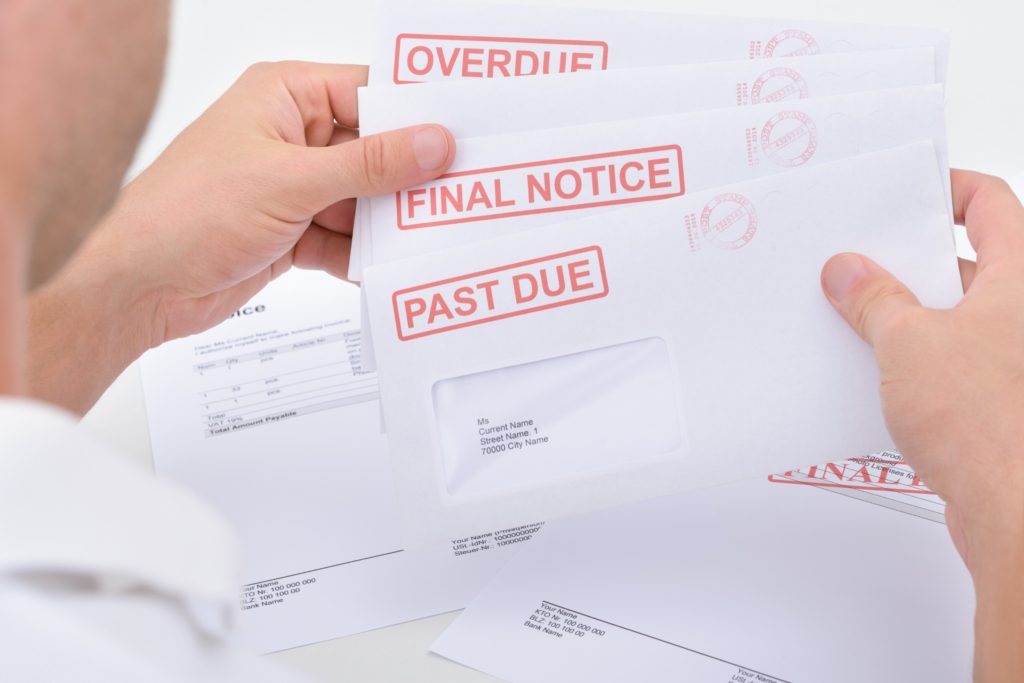
For many Oklahomans struggling with mounting debt, wage garnishment can feel like “legal wage theft.” Each paycheck is trimmed by creditor demands, leaving less for rent, food, utilities, and daily living. But in Oklahoma, filing for bankruptcy—whether under Chapter 7 or Chapter 13—triggers a powerful legal protection known as the automatic stay, which stops wage garnishment immediately.
What Is Wage Garnishment?
Wage garnishment is a court or administrative order that allows creditors to take a portion of your paycheck directly from your employer to satisfy a debt. Common garnishment sources include:
- Credit card judgments
- Medical debt judgments
- Unpaid loans
- Payday loan judgments
- Back taxes (in some cases)
- Consumer debt judgments
While “wage theft” is a colloquial term, wage garnishment can feel identical: money you earned goes straight to a creditor before you see it.
How Bankruptcy Stops Garnishment
The moment you file a bankruptcy petition with the court, federal law imposes an automatic stay. This is an immediate injunction that prevents creditors from:
- Continuing wage garnishment
- Contacting you about the debt
- Filing or pursuing lawsuits against you
- Seizing assets
For most debtors, the garnishment stops the same day the bankruptcy petition is filed. Employers receive notice that the garnishment must cease, and your take-home pay increases accordingly.
The automatic stay is powerful because it applies regardless of the debt type—with some limited exceptions such as certain tax obligations or child support—giving you breathing room during a stressful financial period.
Chapter 7 vs. Chapter 13 Garnishment Protection
Both Chapter 7 and Chapter 13 bankruptcy provide automatic stay protections. The difference lies in the strategy:
Chapter 7:
In Chapter 7, the automatic stay stops garnishment immediately, and you move toward discharge of eligible unsecured debts (like credit cards and judgments). This is often the fastest way to permanently stop garnishment, provided you qualify under the income and exemption requirements.
Chapter 13:
Chapter 13 also stops garnishment, but it uses repayment planning. In many cases where garnishment is already underway, Chapter 13 allows you to catch up on arrears (for secured and some priority debts) through a structured plan, while preserving assets such as your home or vehicle.
Whether Chapter 7 or Chapter 13 is right for you depends on your income, assets, and long-term goals—but both offer powerful garnishment relief.
What Happens After Filing
Once your bankruptcy petition is filed:
- The court issues a notice of automatic stay.
- Your employer receives a notice directing that wage garnishment must cease.
- Garnishment payments stop—no further amounts can be withheld from future paychecks.
- Creditors are notified they must stop collection activity.
If a creditor continues garnishment after the stay, they risk being held in contempt of court, which can lead to sanctions.
In many Oklahoma cases, debtors see a noticeable increase in net pay within one pay period of filing.
Exceptions and Limitations
While the automatic stay applies broadly, some restrictions apply. Debts such as child support, alimony, and certain tax obligations may not be stopped entirely by bankruptcy. Federal student loans also have unique treatment.
However, even in these cases, bankruptcy can still provide strategic relief by reorganizing obligations or giving you structured opportunities to address arrears.
Why Filing Early Matters
Early filing is a crucial strategy. Once garnishment begins, every paycheck that is garnished takes money from your basic needs. Filing bankruptcy at the first signs of financial distress can:
- Prevent long-term reductions in take-home pay
- Avoid judgments that trigger new garnishments
- Preserve assets
- Set the stage for financial reset
The sooner you speak with counsel and prepare your filing, the faster you can invoke the automatic stay and halt wage diversion.
Wagoner Bankruptcy Attorneys
In Oklahoma, the automatic stay triggered by filing bankruptcy is one of the most effective legal tools available to stop wage garnishment instantly. Whether you pursue Chapter 7 for quick debt discharge or Chapter 13 for structured repayment and arrears catch-up, garnishment stops immediately upon filing. If you’re dealing with wage garnishment, don’t wait. A bankruptcy filing may be the fastest way to halt deductions and preserve your financial future. For a free consultation with a lawyer at Kania Law – Wagoner Attorneys, call us at 918.283.7394. You can also ask a free online legal question by following this link.