
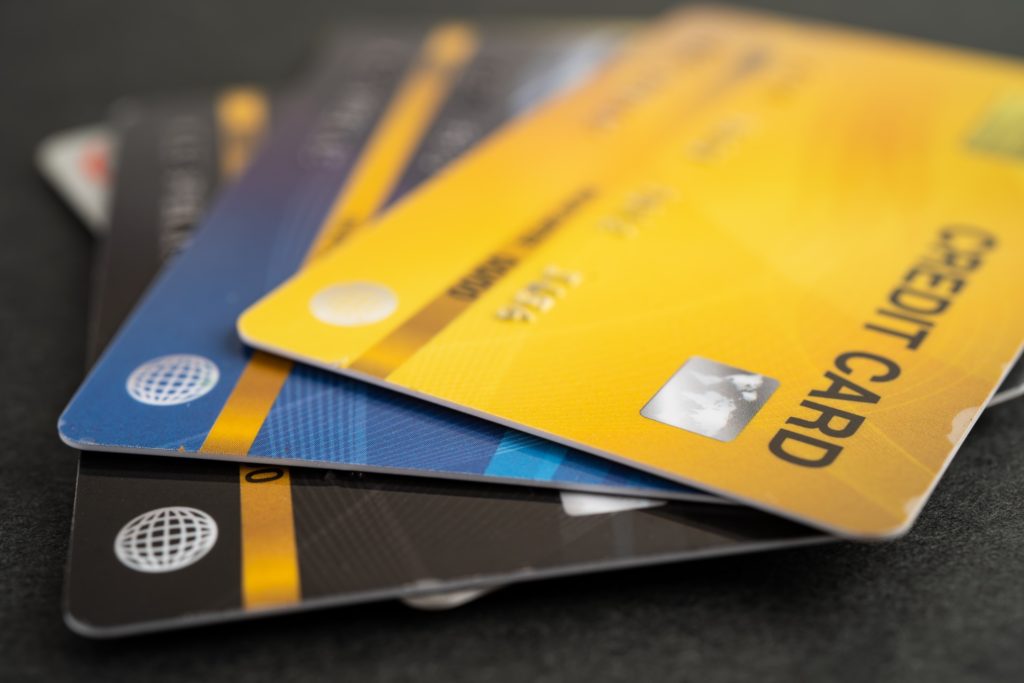
We often get questions about whether you can keep credit cards in Chapter 7 bankruptcy. Filing for Chapter 7 bankruptcy provides individuals with the opportunity to discharge most of their unsecured debts and achieve a fresh start. However, it’s important to understand how this affects your credit cards and whether you can keep any of them. Typically, filing for Chapter 7 leads to the closure of most, if not all, credit card accounts, but the exact answer to whether you can keep some credit cards depends on various factors.
Credit Card Debt and Discharge in Chapter 7
Many refer to Chapter 7 as “liquidation” bankruptcy. This is because the bankruptcy trustee may sell non-exempt assets to pay off creditors. However, the court discharges most unsecured debts, including credit card debt, meaning you have no legal obligation to repay them.
Once you file for Chapter 7, your creditors, including credit card companies, will be notified of the filing. The court discharges most credit card debt unless it’s part of fraud or other exceptions under bankruptcy law. As a result, most credit card companies will close your accounts, even if you are up to date on your payments or have a zero balance.
Keeping Credit Cards in a Chapter 7 Bankruptcy
The rule of thumb is that if you’re filing for bankruptcy, all unsecured debt is discharged and cannot be prioritized out of want. This means that you cannot choose to keep a credit card unless it meets specific criteria. However, if a credit card has a zero balance when you file, the account might not be part of the filing. Technically, since there is no debt on the card, the bankruptcy will not discharge it. Ultimately, the credit card company may still choose to close the account when they learn about your bankruptcy filing.
Another possibility for keeping a credit card is through a reaffirmation agreement. A reaffirmation agreement is a legal contract between you and the creditor that essentially states you agree to remain liable for the debt on that credit card after bankruptcy. This allows you to keep the account open, but means you will pay off that debt instead of discharging it. However, in order to do this it must be secured by something, or else it will not qualify for reaffirmation.
Secured credit cards, backed by a cash deposit, might allow you to keep a credit card during Chapter 7 bankruptcy. Since these cards are secured by your own funds, creditors may allow you to keep the account open, though this also depends on the creditor’s policies. However, secured cards used to rebuild credit after bankruptcy are more common than retaining them through the process.
What Happens After Bankruptcy?
After your Chapter 7 bankruptcy is finalized with the court and your debts are discharged, most of your credit cards will have been closed. While this may seem limiting, you should focus on rebuilding your credit before obtaining new credit cards. Several options for rebuilding your credit include secured credit cards or other forms of credit specifically for individuals emerging from bankruptcy.
Bankruptcy remains on your credit report for up to 10 years, making it harder to qualify for new credit cards. However, you will still be able to rebuild your credit gradually, and many lenders offer secured cards or credit products aimed at helping individuals post-bankruptcy. Your ability to obtain credit in the future depends on your finances, credit score recovery, and the time elapsed since your bankruptcy filing.
Wagoner Bankruptcy Attorneys
In a Chapter 7 bankruptcy, the court typically closes most credit cards and discharges any associated debt. While you might keep a credit card with a zero balance or through a reaffirmation agreement, creditors ultimately determine this. Rebuilding your credit after bankruptcy through responsible financial habits and secured credit cards is often the best path forward. Our team at Wagoner County Attorneys is here to give you the answers you need to your debt issues. For a free consultation, call us today at 918-283-7394, or reach out to us on our Ask A Lawyer page.