
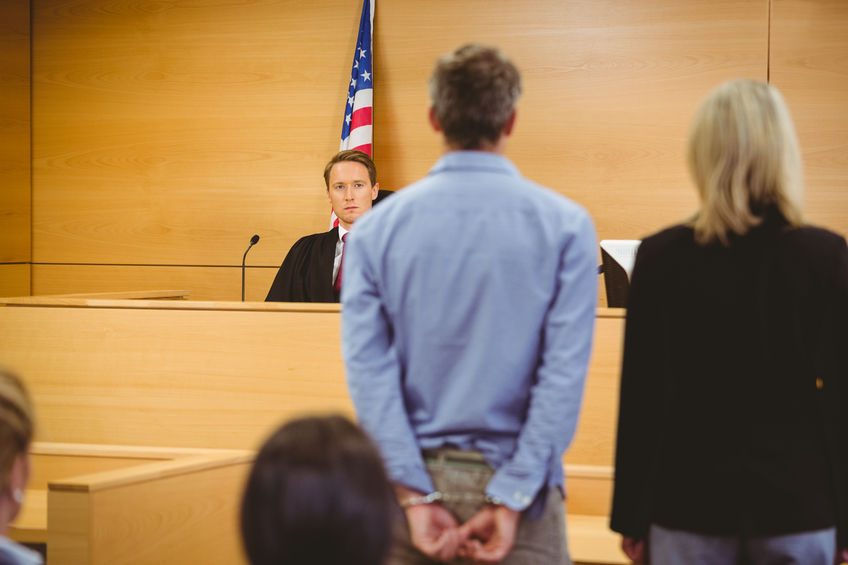
If you are charged with a felony in Oklahoma, one of the first steps in the criminal court process is often a preliminary hearing. This hearing plays a critical role in determining whether your case will move forward to trial and gives both the prosecution and defense an opportunity to present and examine evidence early in the process.
What Is the Purpose of a Preliminary Hearing?
A preliminary hearing is not a trial and does not determine whether you are guilty or innocent. Instead, its purpose is to decide whether there is enough evidence to support the felony charge and proceed to trial. The judge considers two main questions:
- Was a crime committed?
- Is there probable cause to believe you committed it?
If the judge answers yes to both, the case moves forward. If not, the judge can dismiss the charge.
When Do Preliminary Hearings Take Place?
Preliminary hearings typically occur shortly after the state files felony charges. The timing depends on whether you are in custody or out on bond, but the hearing usually happens within a few weeks to a few months of your first court appearance.
What Happens at the Hearing?
- Presentation of Evidence – The prosecution presents evidence, which may include witness testimony, police reports, and physical evidence.
- Cross-Examination – The defense has the right to question witnesses and challenge the prosecution’s evidence.
- Arguments from Attorneys – Both sides may argue about whether the evidence meets the probable cause standard.
- Judge’s Ruling – The judge decides whether the case will proceed to trial, whether charges should be reduced, or whether the case should be dismissed.
Why Is a Preliminary Hearing Important for the Defense?
For the defense, a preliminary hearing can be a valuable opportunity to:
- Test the strength of the prosecution’s case early on.
- Cross-examine key witnesses to preserve testimony for trial.
- Learn more about the evidence the state plans to use.
- Argue for dismissal or reduction of charges if the evidence is weak.
What Rights Do You Have at a Preliminary Hearing?
At a preliminary hearing, you have the right to:
- Have an attorney.
- Present evidence and witnesses on your behalf.
- Cross-examine the prosecution’s witnesses.
However, the defense does not have to present any evidence at this stage; the burden is entirely on the prosecution to establish probable cause.
What Happens After the Preliminary Hearing?
If the judge finds probable cause, the case moves to district court for arraignment and eventually trial, unless the parties reach a plea agreement first. If the judge dismisses the case, the prosecution may still refile charges if new evidence emerges.
Wagoner County Criminal Defense Attorneys
A preliminary hearing in Oklahoma is an important step in the felony court process. It is your first real chance to challenge the evidence against you and possibly reduce or even dismiss charges before trial. Our skilled counsel at Wagoner Attorneys is here to help you through that. Call us at 918-283-7394 for a free consultation. Or you can follow this link to ask a free online legal question.