
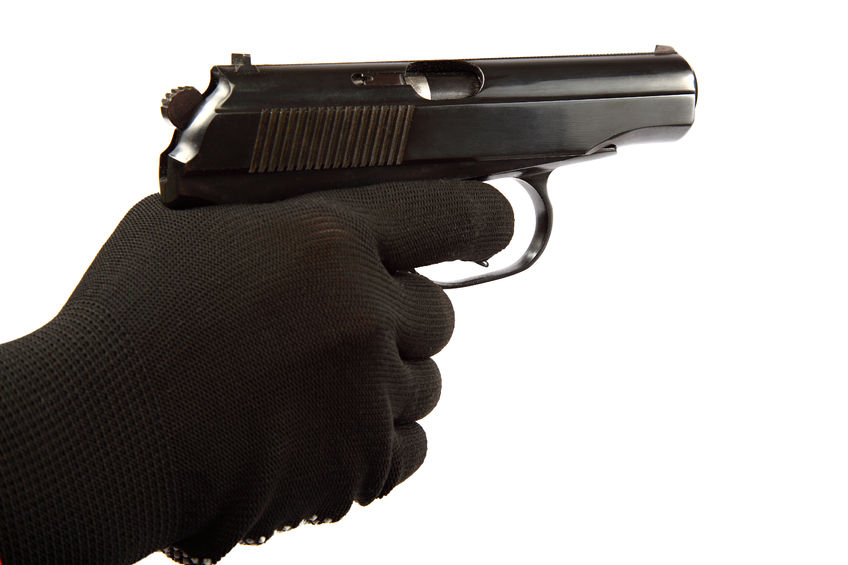
The defenses to a gun charge can be complex in Wagoner. While Oklahoma recognizes broad firearm ownership rights and permits less carry for many law-abiding citizens, those rights are not unlimited. Individuals may face criminal charges involving unlawful possession of a firearm, possession of a firearm after a felony conviction, pointing a firearm, carrying a weapon during the commission of a crime, assault with a dangerous weapon, or other firearm-related offenses. Fortunately, being charged with a gun crime does not mean a conviction is inevitable. Every case is different, and several defenses may be available depending on the facts.
To see this article as a video, click here.
Self-Defense May Justify the Use of a Firearm
One of the most common defenses in firearm-related cases is self-defense. Oklahoma law recognizes the right of individuals to protect themselves and others from unlawful force under appropriate circumstances. If a firearm was used because a person reasonably believed they were facing an imminent threat of death or serious bodily injury, self-defense may provide a complete defense to criminal charges.
Self-defense issues commonly arise in cases involving:
- Assault with a dangerous weapon;
- Assault with a deadly weapon;
- Shooting allegations;
- Domestic disputes;
- Home-defense situations.
Whether self-defense applies depends heavily on the facts and circumstances surrounding the incident.
The State Must Prove Possession
In many gun cases, the prosecution must prove that the defendant actually possessed the firearm. This issue frequently arises in cases involving traffic stops and vehicle searches.
Simply being near a firearm is not always enough. For example, if a gun is discovered in a vehicle occupied by multiple people, the prosecution may face challenges proving who actually possessed or controlled the weapon.
Questions regarding ownership, knowledge, access, and control often become important issues in these cases.
Lack of Knowledge Can Be a Defense
Many firearm charges require proof that the defendant knowingly possessed the weapon.
A person may have a defense if:
- They were unaware the firearm was present;
- The weapon belonged to another individual;
- The firearm was left in a shared vehicle or residence;
- They lacked knowledge of the weapon’s location.
In cases involving constructive possession, the State often relies on circumstantial evidence to establish knowledge and control.
Challenging an Illegal Search
Many gun cases begin with a traffic stop, search warrant, consent search, or law enforcement investigation.
The United States Constitution protects citizens from unreasonable searches and seizures. If officers obtained the firearm through an unlawful search, the defense may seek to suppress the evidence.
Potential constitutional issues include:
- Illegal traffic stops;
- Invalid search warrants;
- Improper vehicle searches;
- Unlawful detentions;
- Violations of Fourth Amendment rights.
If the firearm is excluded from evidence, the prosecution’s case may become significantly weaker.
The State Must Prove Intent
Certain firearm offenses require proof of a specific intent.
For example, assault with a dangerous weapon generally requires proof that the defendant acted with intent to do bodily harm. Likewise, more serious firearm-related assault charges often depend upon the prosecution’s ability to prove a particular criminal intent.
In many cases, intent is not obvious and must be inferred from the surrounding circumstances. If the evidence does not establish the required intent, the prosecution may have difficulty obtaining a conviction.
Mistaken Identity Happens
Not every firearm case involves a weapon actually recovered from the accused.
Some cases rely on eyewitness testimony, surveillance footage, or witness descriptions. These forms of evidence are not always reliable. Poor lighting, stress, distance, and limited opportunities for observation can all contribute to mistaken identification.
When identity disputes arise, challenging a witness’s credibility may become a critical part of the defense.
Defenses to Felon in Possession Charges
Oklahoma generally prohibits convicted felons from possessing firearms. However, prosecutors still must prove each required element of the offense.
Possible defenses may include:
- Lack of possession;
- Lack of knowledge;
- Illegal search and seizure;
- Mistaken identity;
- Insufficient evidence connecting the defendant to the firearm.
Every felon-in-possession case should be carefully examined to determine whether the prosecution can actually prove possession beyond a reasonable doubt.
Early Legal Representation Can Make a Difference
Gun crime investigations often begin long before there are formal charges. During this stage, law enforcement may interview witnesses, collect evidence, execute search warrants, and seek statements from potential suspects.
One of the biggest mistakes a person can make is attempting to explain the situation to investigators without legal counsel. Statements that seem harmless may be usable by prosecutors during trial.
An attorney may be able to protect constitutional rights, preserve favorable evidence, identify witnesses, and develop a defense strategy before the case progresses further.
Wagoner Criminal Defense Attorneys
Gun crime convictions can carry severe consequences, including imprisonment, substantial fines, the loss of firearm rights, and a permanent criminal record. If you are facing charges for a firearm-related offense, obtaining legal representation as early as possible can be one of the most important steps you take to protect your future. For a free consultation with a criminal defense attorney at Kania Law – Wagoner Attorneys, call 918-283-7394. You can also ask a free online legal question by following this link.